
"arable land"
200 article(s) found
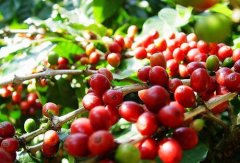
South African coffee-flavored coffee bean producing area
South Africa is fragrant with less acidity, reminiscent of Central American coffee beans. Coffee production in South Africa (SouthAfrica) is mainly in the northeast of the country, from Natal between Transvaal and Mozambique, extending northward to Transvaal, with a southernmost limit of latitude 30 south. Further south, it cannot be planted due to the harm of early frost.
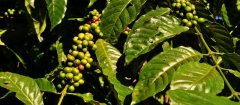
South Africa is fragrant with less acidity, reminiscent of Central American coffee beans
It is fragrant with less acidity, reminiscent of coffee beans from Central America. Coffee production in South Africa (SouthAfrica) is mainly in the northeast of the country, from Natal between Transvaal and Mozambique, extending northward to Transvaal, with a southernmost limit of latitude 30 south. Further south, coffee cannot be grown due to the harm of early frost.
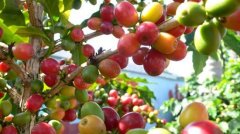
South Africa is fragrant with less acidity, reminiscent of Central American coffee beans
South Africa is fragrant with less acidity, reminiscent of Central American coffee beans. Coffee production in South Africa (South Africa) is mainly in the northeast of the country, from Natal between Transvaal and Mozambique, extending northward to Transvaal, with a southernmost limit of latitude 30 south. Further south, it cannot be caused by early frost.

Introduction of Coffee Origin-- the uniqueness of South African Fine Coffee the taste of South African coffee
It is fragrant with less acidity, reminiscent of coffee beans from Central America. Coffee production in South Africa (South Africa) is mainly in the northeast of the country, from Natal between Transvaal and Mozambique, extending northward to Transvaal, with the southernmost limit of latitude 30 south; further south, coffee cannot be grown due to the harm of early frost.

Guatemala Latissa Estate Coffee Bean Flavor Description Taste Variety Characteristics Introduction
Between 1950 and 1954, when President Jacobo Árbenz was in power, land reform was implemented, and large landowners, who accounted for 2% of the country's population, occupied about 70% of the country's arable land.Árbenz wrote a check for agrarian reform, promising to buy up land held by large landowners and redistribute it to small farmers.Árbenz won the election, and the land reform program was immediately implemented. For land ownership greater than 223

Introduction to the flavor and taste of coffee growing environment in Ireta Manor, Panama
Panamanian land use: arable land accounts for 8.9%, permanent pastures account for 20.0%, forests and woodland account for 43.0%, others account for 28.1%; per capita arable land accounts for 0.6 acres. [2] Mineral resources Panama is rich in mineral resources, but it is not exploited much, and the scale of the mine is relatively large.

Introduction to the quality characteristics of coffee flavor description treatment in Incht Manor, Guatemala
Between 1950 and 1954, the ruling President Jacobo Abens carried out land reform, when large landowners, who accounted for 2 per cent of the country's population, occupied about 70 per cent of the country's arable land. Arbens wrote a check for land reform, promising to buy the land held by the big landlords and redistribute it to small farmers. Arbens to
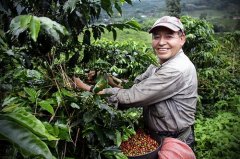
The taste is fragrant with less acidity, reminiscent of the South African flavor of Central American coffee beans.
It is fragrant with less acidity, reminiscent of coffee beans from Central America. Coffee production in South Africa (SouthAfrica) is mainly in the northeast of the country, from Natal between Transvaal and Mozambique, extending northward to Transvaal, with a southernmost limit of latitude 30 south. Further south, coffee cannot be grown due to the harm of early frost.

To understand whether the unique acidity of Kenyan coffee is the cause of tree species or other reasons.
Professional baristas Please follow the coffee workshop (official Wechat account cafe_style) with fragrant South African flavor and low acidity, reminiscent of Central American coffee beans. Coffee production in South Africa (South Africa) is mainly in the northeast of the country, extending from Natal between Transvaal and Mozambique to the north as far as Transvaal.
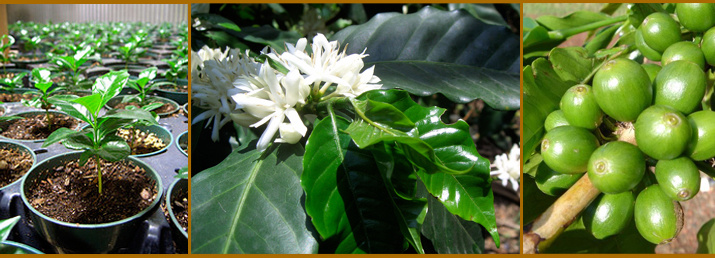
African coffee boutique manor South Africa's coffee trees are derived from Kenyan fruits like coffee from Central America.
South Africa is fragrant with less acidity, reminiscent of Central American coffee beans. Coffee production in South Africa (South Africa) is mainly in the northeast of the country, from Natal between Transvaal and Mozambique, extending northward to Transvaal, with a southernmost limit of latitude 30 south. Further south, it cannot be caused by early frost.

Guatemala Antigua Flower God Coffee Flavor description treatment characteristics of planting environment introduction of varieties
Between 1950 and 1954, the ruling president Jacobo Abens implemented land reform, when big landlords, who accounted for 2 per cent of the country's population, owned about 70 per cent of the country's arable land. Arbens wrote a check for land reform, promising to buy the land held by the big landlords and redistribute it to small farmers. Arbens won the election, and the land reform plan was carried out immediately. For owning land greater than 223

Introduction to the characteristics of Coffee Flavor description and Grinding degree in Incht Manor, Guatemala
Between 1950 and 1954, the ruling president Jacobo Abens implemented land reform, when big landlords, who accounted for 2 per cent of the country's population, owned about 70 per cent of the country's arable land. Arbens wrote a check for land reform, promising to buy the land held by the big landlords and redistribute it to small farmers. Arbens won the election, and the land reform plan was carried out immediately. For owning land greater than 223

Guatemala Pacamara Coffee Bean Roast Flavor Description Estate Introduction
Guatemala Pacamara Coffee Bean Roast Degree Flavor Description Estate Producing Area Introduction Between 1950 and 1954, when President Jacobo Árbenz was in power, agrarian reform was implemented, and large landowners, who accounted for 2% of the country's population, occupied about 70% of the country's arable land.Árbenz wrote a check for agrarian reform, promising to buy up land held by large landowners and redistribute it to small farmers. Arbens won with it.

Introduction to the unique fragrant sweet taste of Guatemalan coffee with the characteristics of grinding degree and taste treatment
Between 1950 and 1954, the ruling president Jacobo Abens implemented land reform, when big landlords, who accounted for 2 per cent of the country's population, owned about 70 per cent of the country's arable land. Arbens wrote a check for land reform, promising to buy the land held by the big landlords and redistribute it to small farmers. Arbens won the election, and the land reform plan was carried out immediately. For owning land greater than 223

Coffee production in South Africa (South Africa) is mainly in the northeast of the country.
Boutique coffee (specialty coffee) is also called specialty coffee selection coffee. It refers to coffee made from a small number of raw beans with excellent taste grown in an ideal geographical environment. Depending on the special soil and climatic conditions in which they grow, they have outstanding flavor. After strict selection and classification, this kind of coffee is hard in texture, rich in taste and stylish.

Introduction to the characteristics of fine coffee bean producing areas in La Tisa Manor, Guatemala
Between 1950 and 1954, the ruling president Jacobo Abens implemented land reform, when big landlords, who accounted for 2 per cent of the country's population, owned about 70 per cent of the country's arable land. Arbens wrote a check for land reform, promising to buy the land held by the big landlords and redistribute it to small farmers. Arbens won the election, and the land reform plan was carried out immediately. For owning land greater than 223

Aromatic with less acidity, reminiscent of Central American coffee beans, South African coffee flavor.
Boutique coffee is fresh coffee. Whether it's food or drink, of course, the fresh the better, and so is boutique coffee. High-quality coffee should keep the coffee beans fresh before making, including the preservation of baked beans, and grind the coffee beans into powder before making, which is also to retain its original and best flavor. And the way of making hand-made coffee is such a way to make high-quality coffee.

South African coffee beans are fragrant and have less acidity, like coffee bean cafes in Central America.
Boutique coffee has a strict grading system. Generally, raw beans are preserved in parchment coffee beans in the form of endocarp after processing, and the endocarp is removed before export. Go through a strict grading process to ensure the uniformity of quality. And it is very important to preserve the protection in the process of transportation, such as the control of temperature and humidity, the control of ventilation, avoiding odor adsorption and so on.

Introduction to the unique sour coffee producing areas of La Tisa Manor in Guatemala
Between 1950 and 1954, the ruling president Jacobo Abens implemented land reform, when big landlords, who accounted for 2 per cent of the country's population, owned about 70 per cent of the country's arable land. Arbens wrote a check for land reform, promising to buy the land held by the big landlords and redistribute it to small farmers. Arbens won the election, and the land reform plan was carried out immediately. For owning land greater than 223

Jasmine scented Guatemala Antigua Coffee Flavor taste Manor characteristics of boutique coffee beans
Between 1950 and 1954, the ruling president Jacobo Abens implemented land reform, when big landlords, who accounted for 2 per cent of the country's population, owned about 70 per cent of the country's arable land. Arbens wrote a check for land reform, promising to buy the land held by the big landlords and redistribute it to small farmers. Arbens won the election, and the land reform plan was carried out immediately. For owning land greater than 223